
Making Chinese Tea with Kettle
What classes of tea goes into kettles?
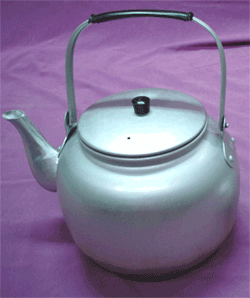
Some Pu’er and compressed teas need to be boiled to have their flavor fully extracted. So using a kettle is the way to do it.
Who is using kettle to boil tea?
Not many people in the South boil tea using a kettle – The Tibetans in the South West (of China) use kettles to make their everyday Da Cha (Big_Tea).
How to do it?
Simply add water, boil and drink. Tea is left in the kettle and is boiled again and again, day after day. There is no brewing time to watch and no tea quantity or anything to look after. Too simple and uncomplicated it seems that you wonder if this is part of the profound Chinese tea culture. But hey, who says it has to be complicated to be part of a culture?
What is so different about this kettle method?
- First of all, it’s not a “brewing” method. The tea is actually boiled.
- Unlike other brewing methods, tea is left in the kettle for days. People who use this method don’t care if their tea is super-overbrewed.
- Overnight tea is considered unhealthy as far as my tea knowledge goes. However, if that many Tibetans are drinking overnight tea, why can’t we?
- Tea from the kettle is usually served with bowls. Feels like a Kung Fu hero (it’s the fighting Kung Fu I am talking about here) drinking with such natural and unrefined tea wear.
SuYou Cha – a specially served Tibetan tea
Suyou cha is a must for Tibetans. They have to drink suyou cha in winter. When they have to work long days, they drink a couple of bowls in the morning and work straight till late afternoon without having lunch.
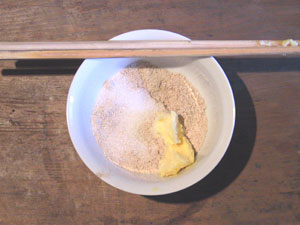
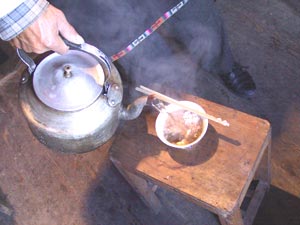
| Put suyou (Tibetan version of butter), sugar ZhenBa (powder made from a highland wheat QingKe) into the bowl. | Da Cha is added. Stir and it’s done. |
|---|---|
 |  |